
The Great Blue Hole at a glance
The Great Blue Hole is a marine sinkhole near the centre of Lighthouse Reef Atoll off Belize. Its dark circular water contrasts with the surrounding shallow reef. Visiting means travelling offshore, rather than walking down to a beach in San Pedro. Decide first whether you want to experience the site underwater, at the surface or from an aircraft: those perspectives offer very different encounters with the same place.
A boat day involves a long crossing over open water and an early start. The diving and snorkeling options featured here both depart from San Pedro. Your accommodation, arrival route and available days should fit that departure point. Keep room in the itinerary for a weather change rather than making the reef trip depend on a tight onward connection.
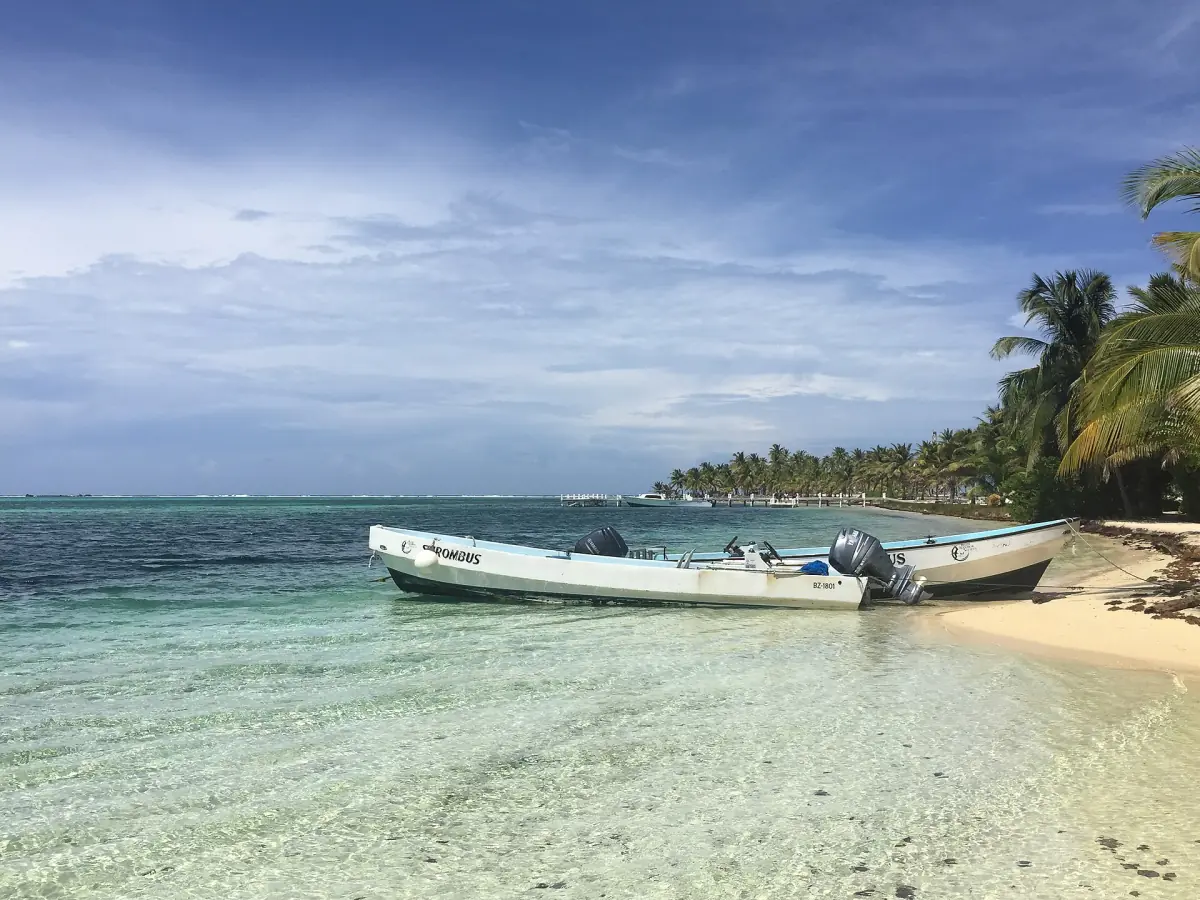
Great Blue Hole tours
Choose the snorkeling day for a surface visit or the diving day if your training and experience suit the planned profile. Both featured options meet at the dock at the beach end of Caribena Street, off Barrier Reef Drive in San Pedro. Their published duration is 12 hours in the product information dated 11 November 2026; that covers the day, rather than time spent underwater or solely in transit.
Both include breakfast, fruit, lunch and coffee or tea. Establish the arrangements for equipment, park charges and reaching the dock before committing. For the diving option, obtain an individual participation assessment before booking; for snorkeling, check the specific age and participation conditions. Conditions from another operator's programme should not be treated as the terms of these trips.
| Visit | Perspective | Planning priority |
|---|---|---|
| Snorkeling day from San Pedro | The Blue Hole from the surface | Participation conditions and a full offshore day |
| Diving day from San Pedro | Underwater walls and the planned dive profile | Certification, recent experience and individual approval |
| Scenic flight | The circular formation within the reef | Departure airfield, weather and coordination with diving |
Our picks: Great Blue Hole trips
Choose the snorkeling day if you want to explore at the surface, or the diving day if you meet the individual participation conditions. Both include breakfast and lunch and depart from San Pedro.
Hand-picked tours, booked through Viator. Prices are indicative starting prices in US dollars (as of November 2026). Tap a tour for live availability and the current price in your currency.
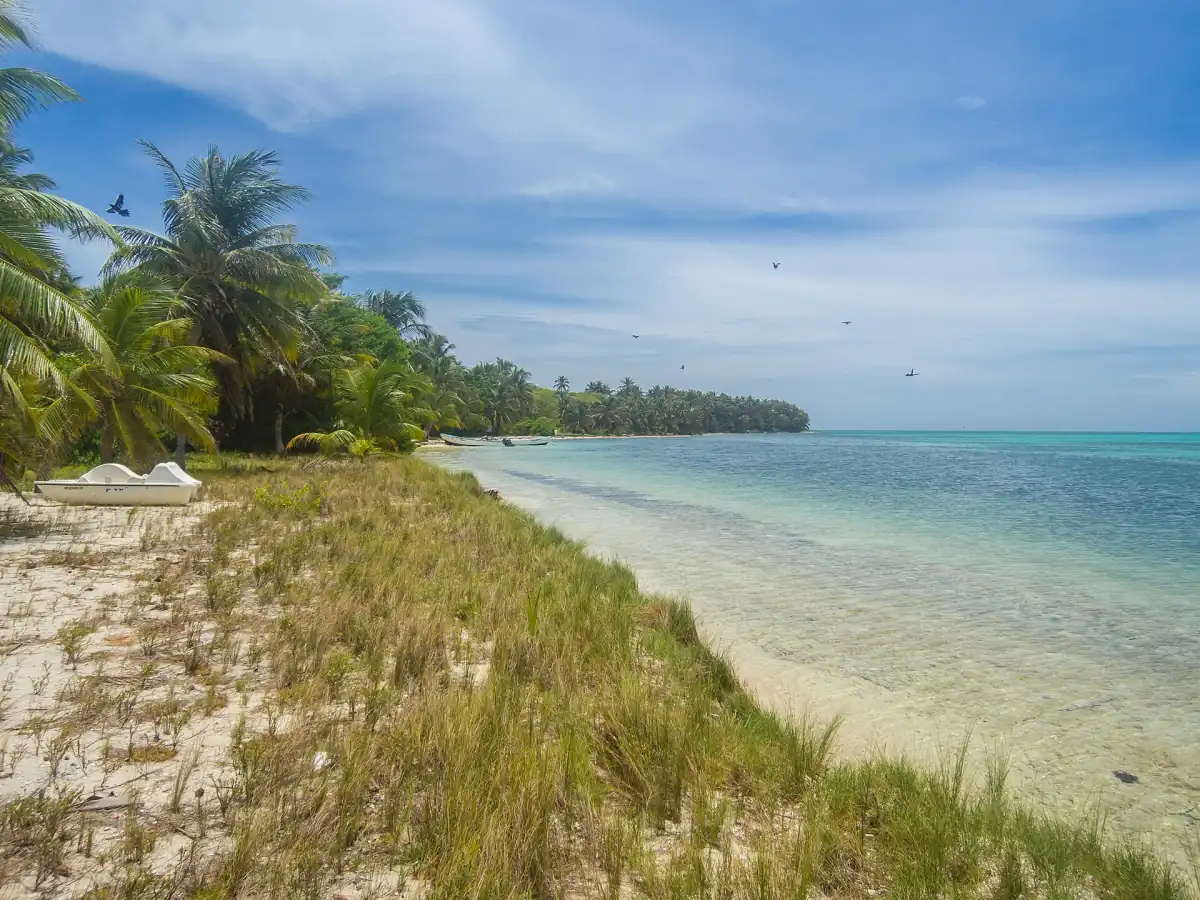
Great Blue Hole diving day from San Pedro
- Continental breakfast
- Fruit throughout the day
- Traditional lunch
Coffee or tea is included. Confirm your individual diving eligibility and safety conditions with the operator before booking; expect a long trip on open water.
Check availability →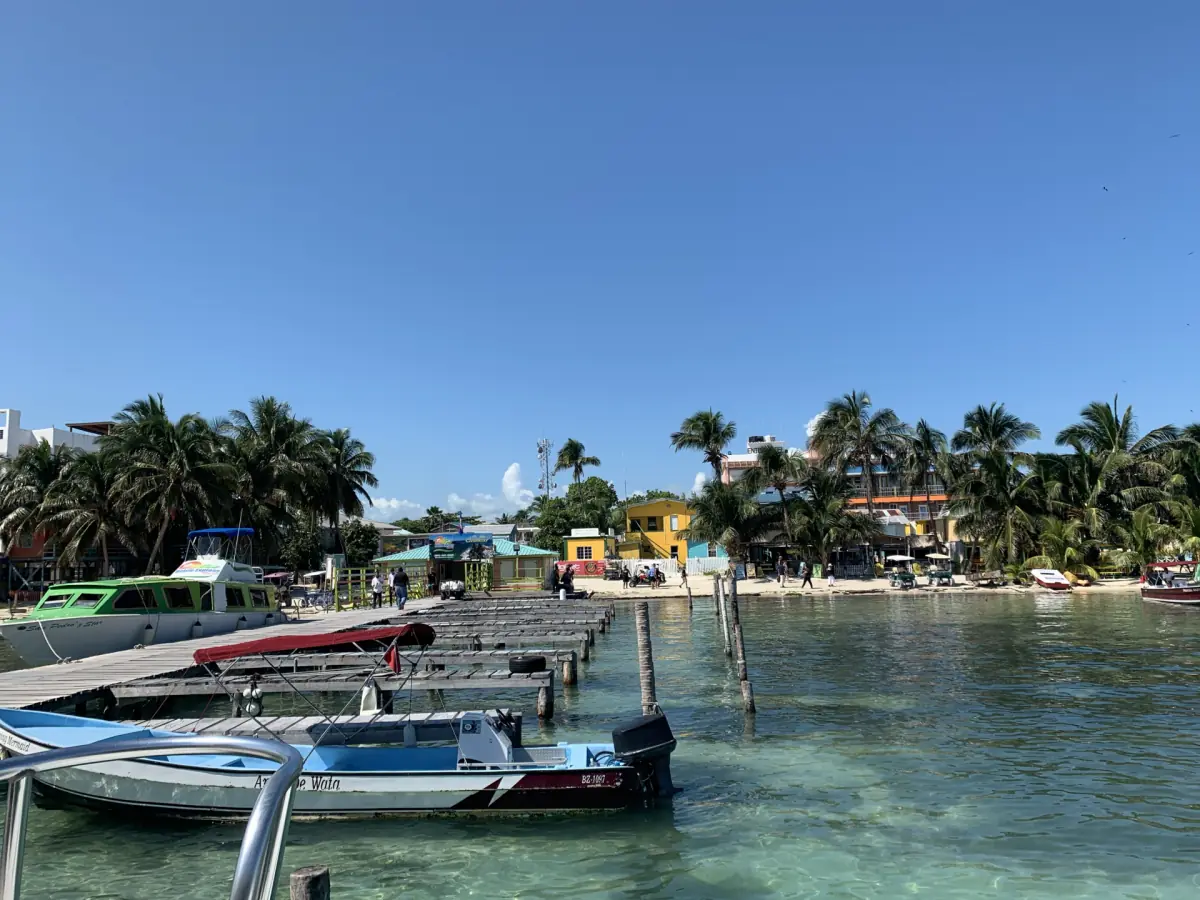
Great Blue Hole snorkeling day from San Pedro
- Continental breakfast
- Fruit throughout the day
- Traditional lunch
Coffee or tea is included. Check age and participation conditions before booking and allow for a long trip on open water.
Check availability →Compare Great Blue Hole boat days
Start with your preferred activity: a snorkeling day at the surface or a diving day with individual participation approval, both departing from San Pedro.
Diving or snorkeling
Great Blue Hole diving: experience comes first
The Blue Hole is not a beginner dive. Operators assess certification, recent diving and previous depth experience, and their programmes differ. Some require recent logged dives and an individual team assessment; others assign different profiles to Open Water and Advanced divers. An Open Water certificate alone is not a general clearance for a deep Blue Hole dive. Send your actual experience to the team before booking the diving day, and discuss any refresher or further training they require.
Distinguish the sinkhole's total depth from the depth you are qualified and approved to dive. A visitor dive is not a descent to the bottom. If you also want a scenic flight or have an onward flight, coordinate the sequence individually with the dive team rather than applying a universal waiting interval.
Great Blue Hole snorkeling: the surface view
Snorkeling is a surface experience, not a way to reach the submerged stalactites. It suits a different aim from the geological dive: seeing the water and reef setting without following a deep profile. Age limits, equipment arrangements and other participation conditions belong to the specific programme. Discuss these for the San Pedro snorkeling day, especially when travelling with children; rules published for a different excursion do not establish eligibility here.
Lighthouse Reef and Half Moon Caye
The Blue Hole forms part of a wider reef landscape. Half Moon Caye lies at the southeastern corner of Lighthouse Reef and has a protected bird area with a red-footed booby colony and an observation platform. General reef programmes may combine several sites, but use the actual itinerary of your chosen trip when deciding which stops matter to you.
Blue Hole Natural Monument and Half Moon Caye Natural Monument are components of the Belize Barrier Reef Reserve System, inscribed on the UNESCO World Heritage List in 1996. Its removal from the danger list in 2018 did not remove its World Heritage status. Recommended visitor behaviour includes avoiding contact with coral, taking rubbish away and using existing moorings and piers where provided.
Wildlife and reef sharks
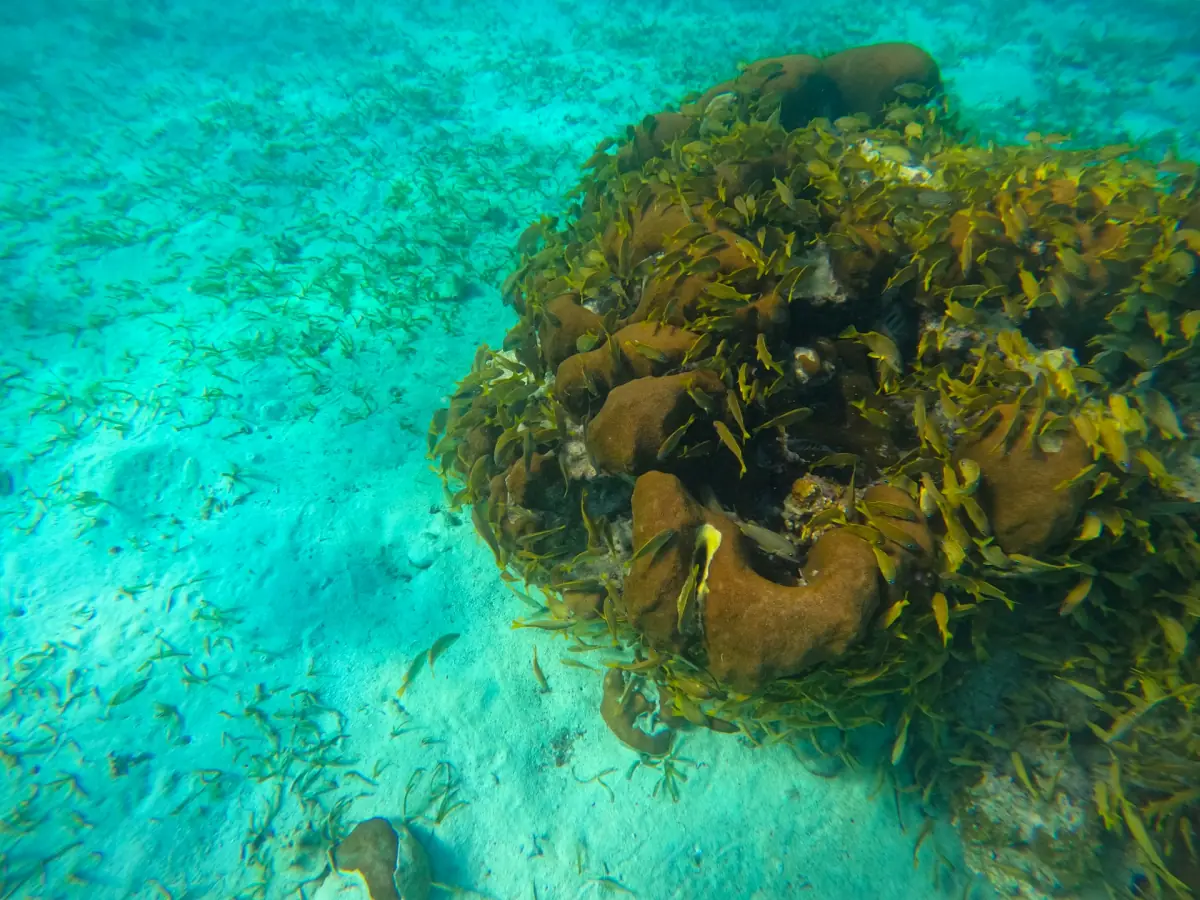
Caribbean reef sharks occur in accounts of the Blue Hole, while Half Moon Caye is associated with birds, hawksbill turtles and Nassau groupers. Treat these as wildlife possibilities, not a checklist promised with a booking. Keep your distance, avoid feeding or touching animals, and leave coral and marine life where they are. A reef excursion is not a feeding or cage-diving experience merely because sharks occur in the area.
Depth, stalactites and formation
How deep is the Great Blue Hole? For planning a visit, the useful distinction is between the deep sinkhole and a limited tourist dive profile. Its steep walls and submerged formations reflect a former limestone cave system, probably formed when sea levels were lower during the last ice age. Stalactites and stalagmites help explain that history. Low light and limited oxygen circulation at the bottom make it a different environment from the shallow reef around the rim.
Cousteau and the history
Jacques Cousteau helped make the site internationally known in 1971. Describing him as its discoverer would misrepresent that connection. The historical interest complements the geology: this is a submerged cave landscape, rather than an archaeological site or a land cave that visitors enter on foot.
Costs and park fees
When comparing total costs, separate the excursion price from the treatment of park charges. Operator programmes checked on 11 November 2026 published a 40 USD park-fee item, included in some packages and charged separately in others. This is a dated operator package item, not a uniform official admission tariff or a promise about the featured products. Ask how your chosen booking handles fees and equipment; use its own conditions for cancellation and changes.
From San Pedro, Caye Caulker or Belize City
Published operator programmes describe about 2.5 hours offshore from San Pedro, about two hours from Caye Caulker and about 2.5 hours each way from Belize City. These are estimates from different programmes, not interchangeable schedules for the featured San Pedro trips. Sea conditions and group logistics affect the journey and return. The island water taxi and the reef excursion are separate journeys.
Plan your route in the airport and boat guide and choose an accommodation base around the actual meeting point. Allow enough margin for early departures. A long offshore day should not be treated as a guaranteed fit for a cruise-ship stop or a same-day flight connection.
A scenic flight as an alternative
From the air, the ring of reef and the dark circular centre become the main experience. Published flight programmes use San Pedro, Caye Caulker and Belize City Municipal as departure points, with the programme determining the actual airfield and schedule. Belize City Municipal is distinct from the international airport in Ladyville. Flight availability and weather require their own planning; coordinate any flight after diving with the dive team.
Weather and practical planning
Keep a spare day where possible and follow the operator's weather decision. A change or cancellation of a boat trip is different from a protected-area closure. Check current marine conditions and access advice close to departure rather than relying on a seasonal label. The weather and timing guide explains the seasonal context without promising calm water.
Questions about visiting
Is this the official protected-area website?
This is an independent travel guide, separate from the protected-area management. Use the management's current advice and your operator's instructions for access on your travel date.
Where do the featured boat trips start?
Both meet at the dock at the beach end of Caribena Street in San Pedro, off Barrier Reef Drive. Arrange your journey to that meeting point rather than assuming collection from your accommodation.
Can I see the stalactites while snorkeling?
Snorkeling provides a surface view. The submerged geological formations belong to the diving context, with participation and depth determined by training, experience and the team's assessment.
Does a dry month guarantee a boat departure?
Rainfall averages do not determine the sea on your day. Offshore journeys remain weather dependent; leave space for changes and get current departure advice from the team.